
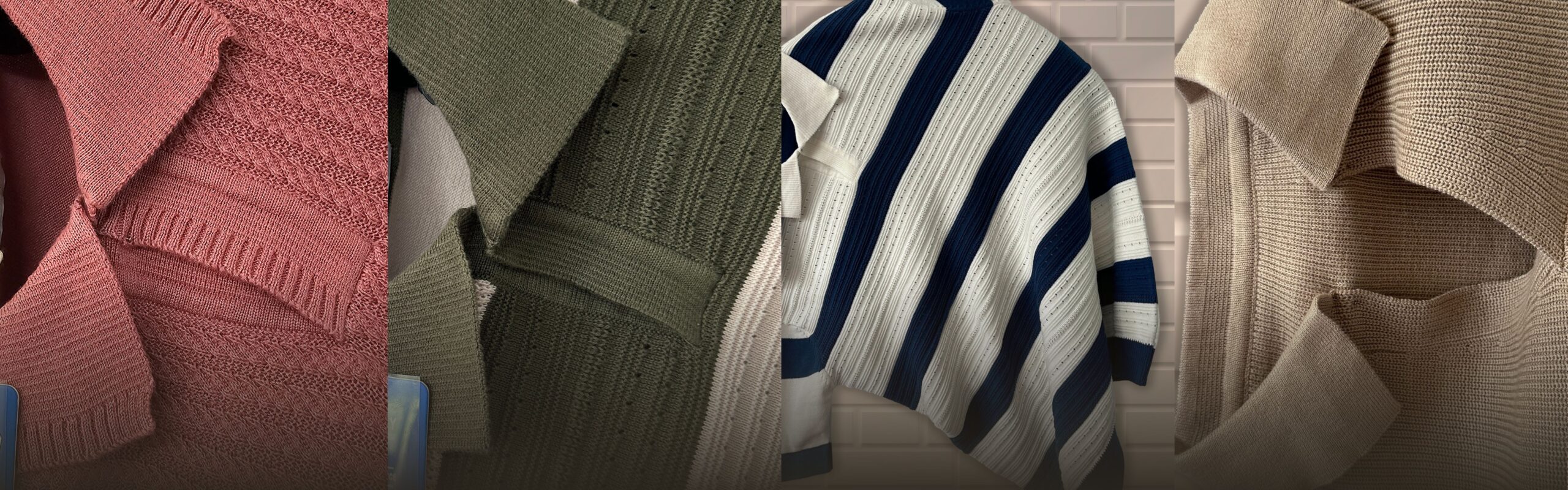
Yarn count refers to the thickness or fineness of a yarn. It is one of the most important specifications in knitwear manufacturing because it influences fabric weight, texture, drape, and overall garment quality.
Premium Knitwear Manufacturing
Premium Knitwear Manufacturer in India
A refined introduction to flat knitwear development, yarn selection, Ready to ship knitwear palnning, garment engineering, and modern production standards for fashion brands.
17+
Years Experience
30+
Export Markets
Production
FROM YARN TO FINAL FINISHING
Modern Knitwear Begins With Technical Understanding of yarn
The quality of every premium knitwear garment begins with one essential element—the yarn. Regardless of how advanced the knitting machines or finishing processes are, the final product can only perform as well as the fibers used to create it. The right yarn influences softness, durability, breathability, shape retention, color vibrancy, and the overall feel of the garment.
Yarn twist refers to the number of times fibers are twisted together to form a yarn, commonly measured as Twists Per Inch (TPI). The twist level directly influences the yarn's strength, appearance, flexibility, and feel.
Yarn blending is the process of combining two or more different fibers before spinning. Instead of relying on a single fiber, manufacturers create blends that combine the strengths of multiple materials to achieve the desired performance.
Most commonly Yarn usage Guide
A comparison table for common knitwear yarns based on softness, durability, seasonal suitability, and premium appearance.
| Yarn | Softness | Durability | Summer | Winter | Premium |
|---|---|---|---|---|---|
| Combed Cotton | ★★★★★ | ★★★★ | ✓ | ✓ | ★★★★★ |
| Organic Cotton | ★★★★★ | ★★★★ | ✓ | ✓ | ★★★★★ |
| Cotton Blend | ★★★★ | ★★★★★ | ✓ | ✓ | ★★★★ |
| Acrylic | ★★★ | ★★★★ | x | ✓ | ★★★ |
| Merino Wool | ★★★★★ | ★★★★ | x | ✓ | ★★★★★ |
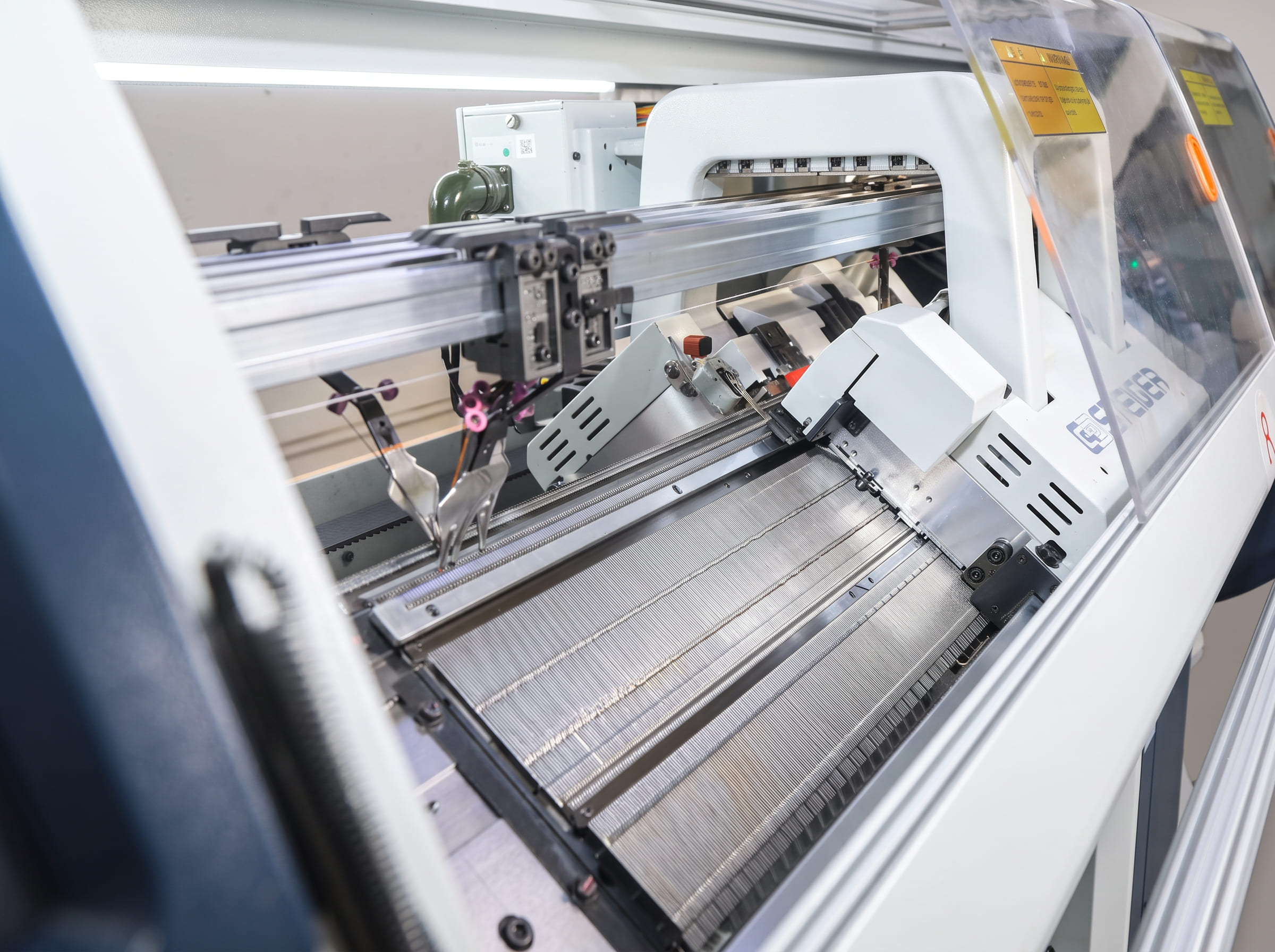
What Is Modern Flat Knitwear?
Flat knitwear is developed on specialized knitting machines that create shaped panels, refined textures, and flexible garment constructions suited for fashion-led collections.
Knitwear refers to garments created by interlocking loops of yarn instead of weaving perpendicular threads together. This unique construction gives knit fabrics natural stretch, softness, breathability, and flexibility, making them ideal for everyday apparel, premium fashion, sportswear, and winter clothing such as polo shirts, pullovers, cardigans, knit tops, dresses, knitted accessories.
Key Takeaway
Flat knitwear allows brands to balance softness, structure, drape, durability, and visual texture within one product category.
Flat Knitting vs Circular Knitting
A clear comparison of how flat knitting and circular knitting differ in production method, design flexibility, shape control, fabric waste, and best-use categories.
| Feature | Flat Knitting | Circular Knitting |
|---|---|---|
| Fabric Production | Individual garment panels | Continuous tubular fabric |
| Manufacturing Process | Knitted to panel shape | Fabric knitted first, then cut and sewn |
| Design Flexibility | Excellent | Moderate |
| Shape Retention | Excellent | Good |
| Premium Appearance | High | Medium |
| Fabric Waste | Lower | Higher |
| Best For | Polo shirts, sweaters, cardigans, premium knitwear | T-shirts, leggings, basic garments |
Why Knitwear Looks More Premium
Premium knitwear is not created by material alone. It depends on proportion, density, finishing, yarn behavior, construction, and quiet attention to detail.
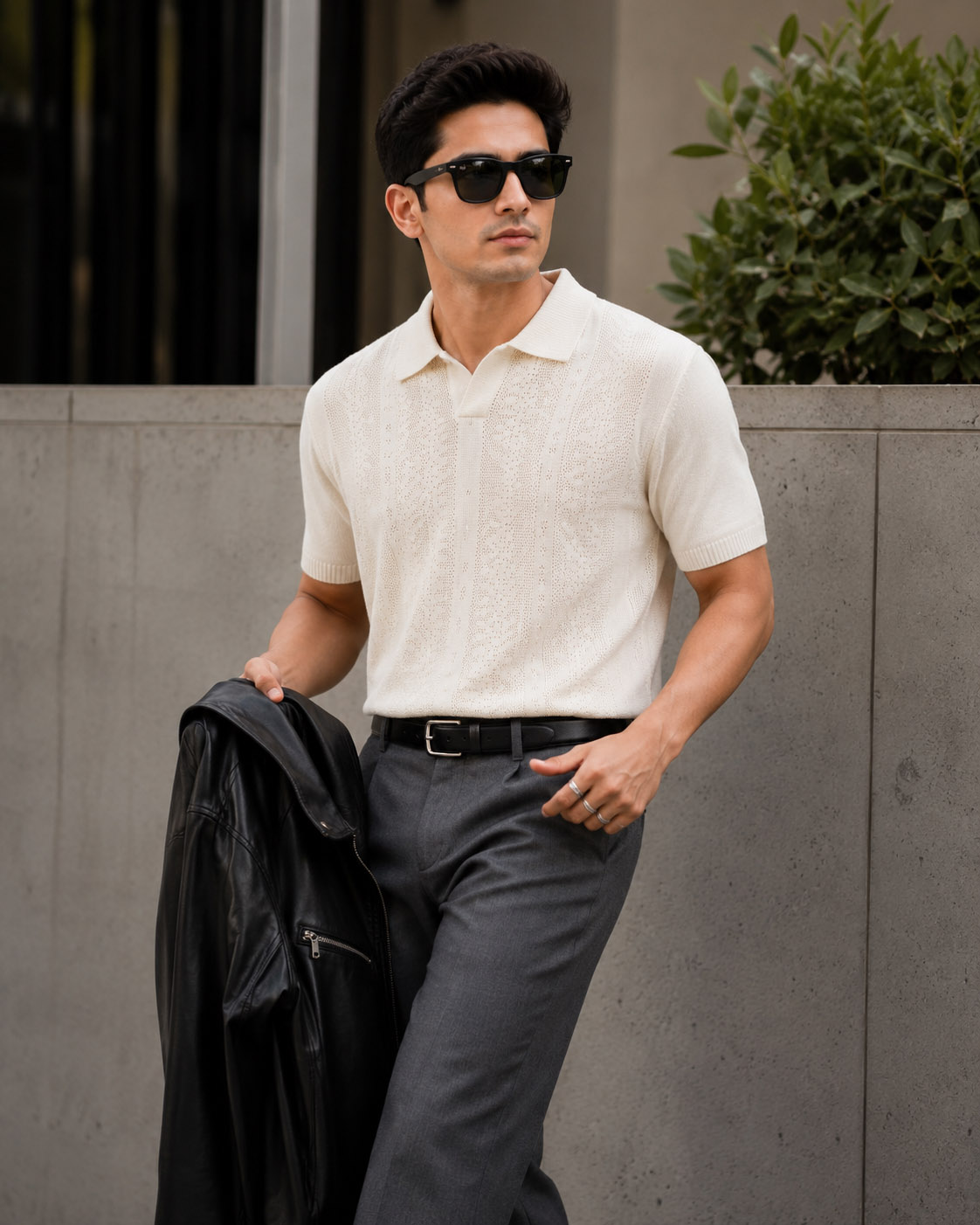
Refined Texture & Rich Appearance
Premium knitwear features precisely engineered stitch patterns that create natural depth, texture, and visual interest. Unlike plain woven or basic jersey fabrics, knit structures such as Milano rib, jacquard, cable, and textured knits give garments a sophisticated, high-end look that stands out.
Exceptional Comfort
Soft, breathable fabrics with natural stretch deliver all-day comfort and a premium fit.
Superior Comfort with an Elegant Fit
The looped construction of knitwear provides natural flexibility and softness, allowing garments to drape comfortably while maintaining a polished appearance.
Understanding Knit Structures
Different knit structures change the look, stretch, thickness, recovery, and perceived value of a garment.
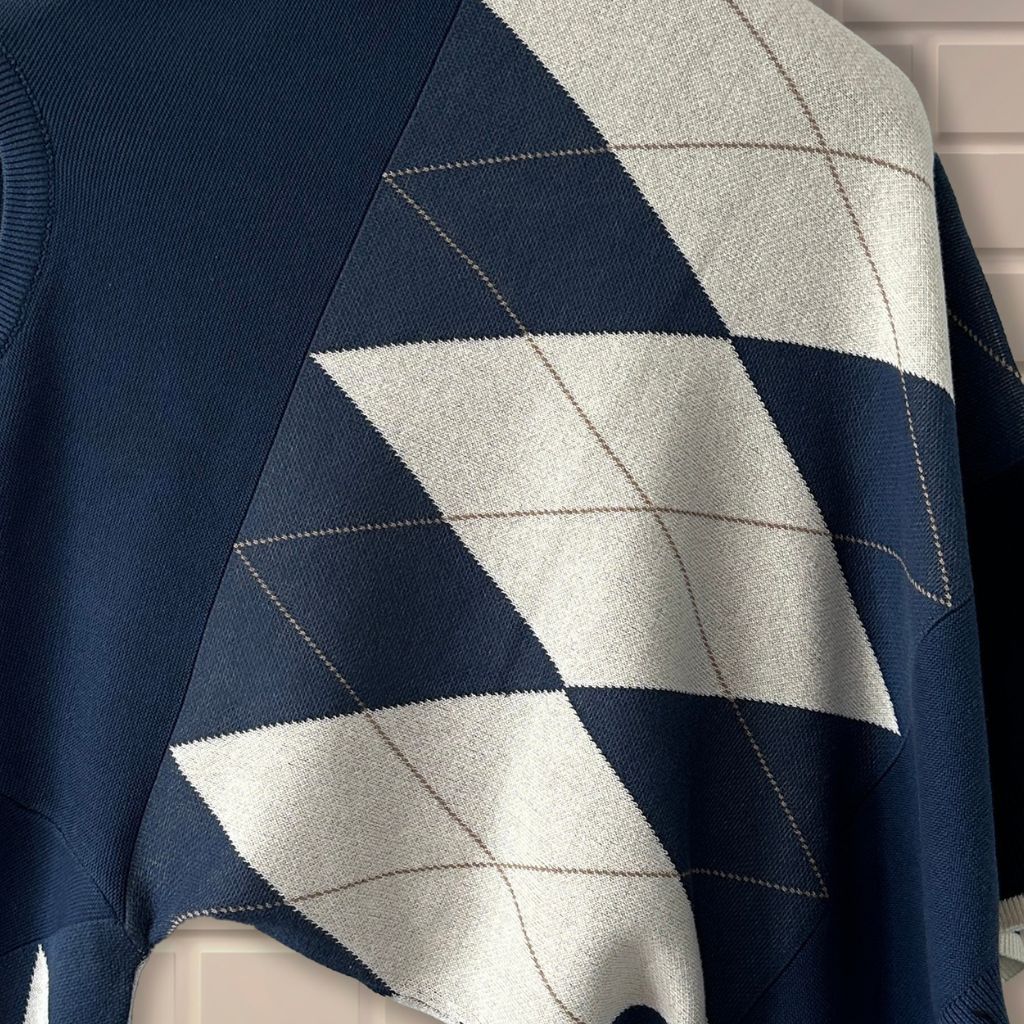
Jacquard Knit Pattern Texture
Engineered softness with exceptional durability.
Application: Tops, polos, fine basics.
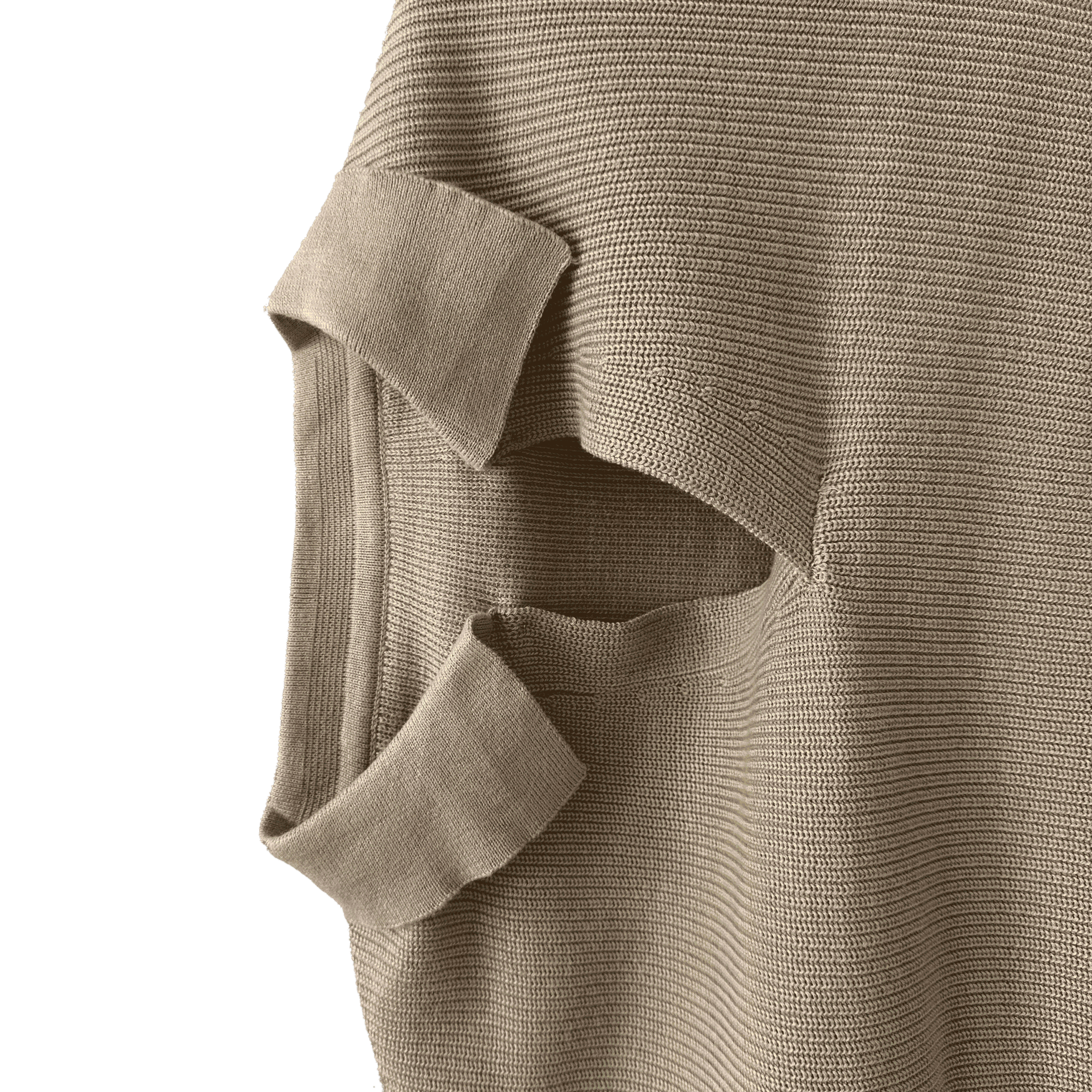
Rib
Offers superior elasticity, durability, and a clean, refined finish for premium garments.
Application: Cuffs, hems, fitted styles.
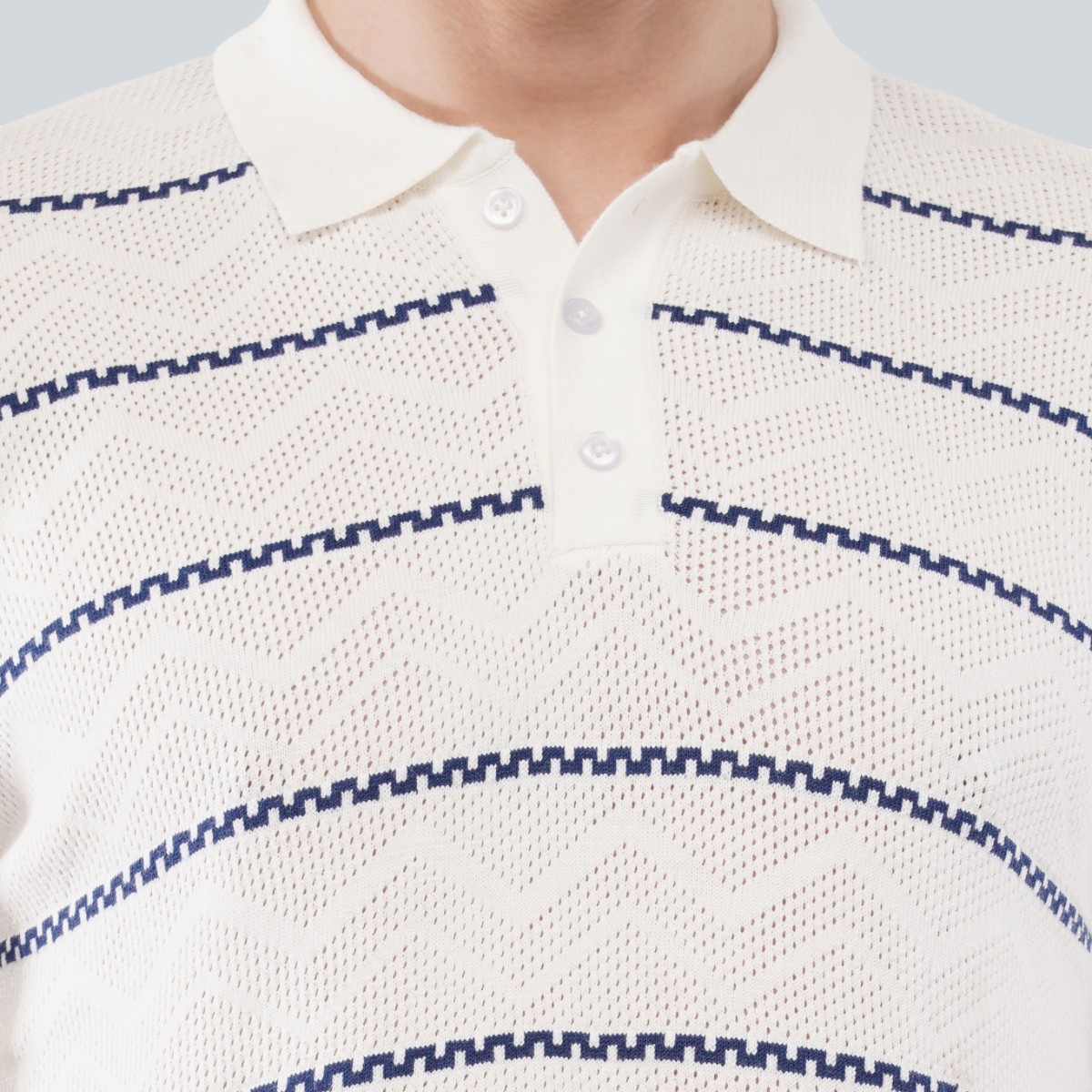
Pointelle Pattern
Modern functionality meets timeless aesthetics.
Application: Premium tops, dresses, polo t-shirt for summer .
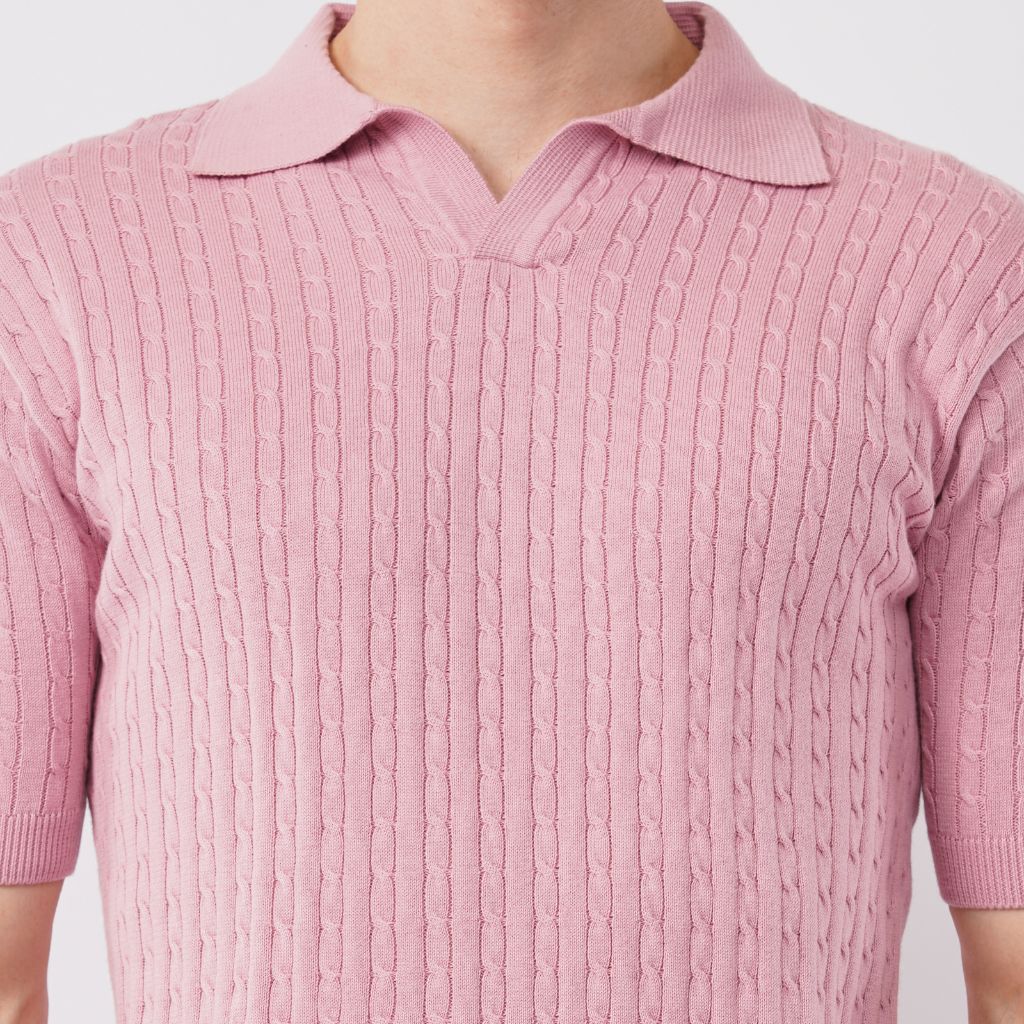
Cable
Ideal for luxury winter knitwear with a classic and sophisticated appeal.
Application: Sweaters, cardigans, winter stories.
How Texture Changes Fashion Appearance
Texture is one of the most influential elements in premium knitwear design. Beyond color and silhouette, the choice of knit structure determines how a garment looks, feels, drapes, and performs. From understated fine-gauge knits to bold three-dimensional patterns, texture helps fashion brands create collections with distinctive visual identity, premium appeal, and long-lasting customer value.
Refined & Minimal Knit Textures
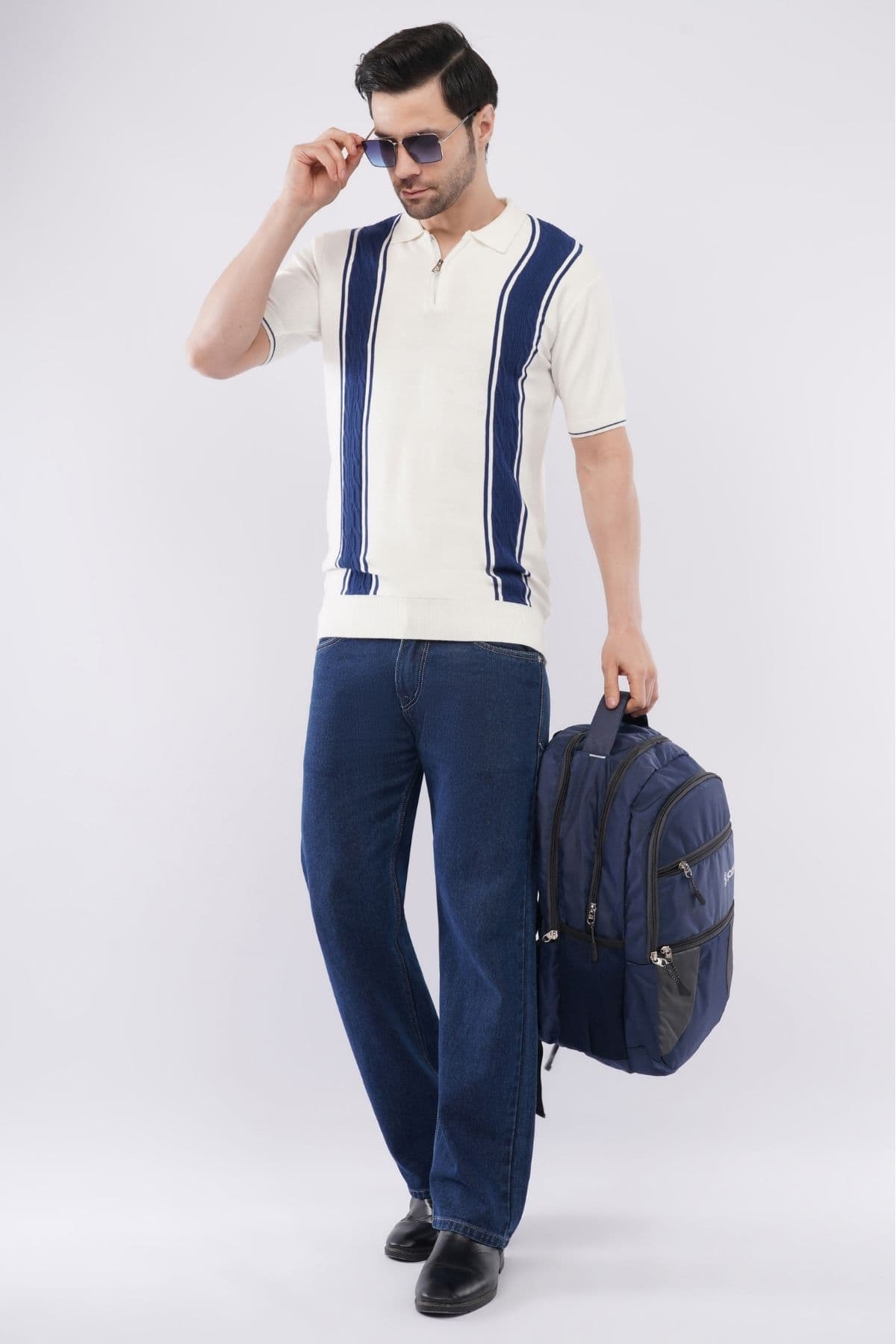
Minimal knit textures are characterized by clean stitch definition, smooth surfaces, and timeless elegance. Fine-gauge jersey, Milano rib, and compact knit constructions create garments with a sophisticated appearance that complements modern fashion trends such as quiet luxury and smart casual dressing. These textures emphasize premium yarn quality and precision knitting rather than decorative details, making them ideal for versatile, year-round collections.
Fine-gauge knit textures are widely used for premium polo shirts, lightweight sweaters, and luxury basics because they deliver a polished appearance with excellent comfort and durability.
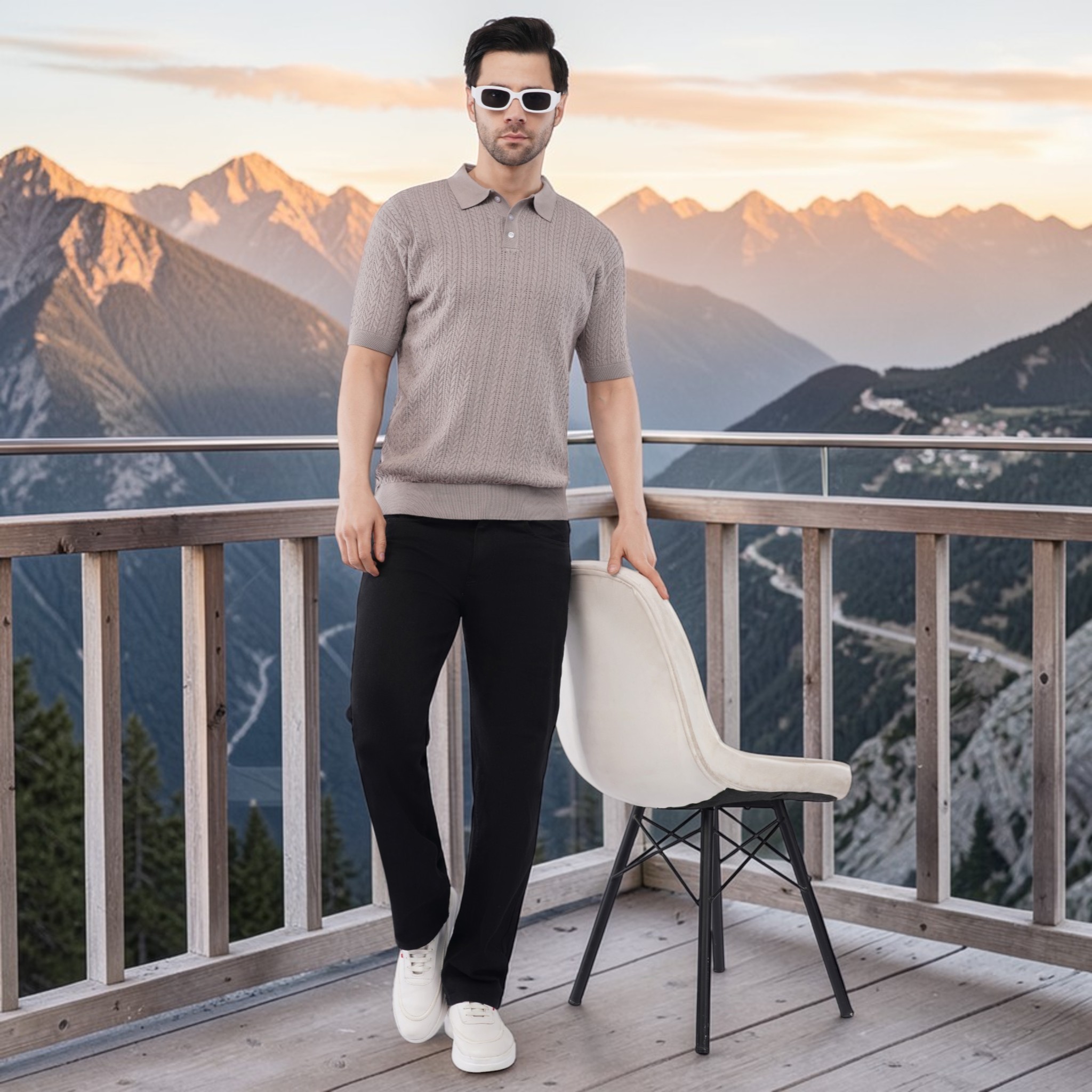
Statement & Dimensional Knit Textures
Three-dimensional knit structures create garments with greater visual depth and tactile appeal. Textures such as cable knit, waffle, honeycomb, jacquard, Ottoman, and Links Links add character while enhancing the premium perception of knitwear. These engineered surfaces help brands differentiate seasonal collections and create garments that stand out without relying on heavy prints or embellishments.
Statement textures should be carefully balanced with yarn selection, garment weight, and finishing techniques to achieve the desired appearance, comfort, and long-term durability.
Popular Knitwear Colour Guide
Colour direction changes by category, season, customer profile, and brand positioning.
Men
Charcoal
Stone
Navy
Olive Taupe
Women
Ivory
Rose Taupe
Sage Grey
Brick
Kids
Peach
Soft Green
Powder Blue
Warm Yellow
Current Knitwear Fashion Trends in 2026
Fashion is moving toward premium comfort, timeless design, and sustainable materials. Modern knitwear collections combine refined textures, lightweight construction, and responsible yarn choices to create garments that deliver both style and long-lasting performance. Below are some of the most influential knitwear trends shaping global apparel brands.
Fine Gauge Polos
Fine gauge Luxury knit polos continue to dominate premium menswear because they offer a cleaner appearance, lightweight comfort, and exceptional versatility. Produced on computerized flat knitting machines using finer gauges such as 14GG and 16GG, these garments feature smooth stitch definition and a refined finish. Luxury brands increasingly use premium combed cotton, mercerized cotton, cotton-viscose blends, and TENCEL™ Lyocell to achieve softness, durability, and a sophisticated look suitable for business casual, golf wear, and modern smart-casual collections.
Textured Co-ords
Matching knitwear co-ord sets have become one of the fastest-growing categories in contemporary fashion. Designers are combining structured knit textures such as Milano Rib, Ottoman, Waffle, and Honeycomb with relaxed silhouettes to create elevated everyday wear. Cotton blends, viscose, modal, and sustainable yarns provide excellent drape and comfort, making co-ords suitable for travel, resort collections, and premium casual fashion.
Minimal Cardigans
Minimalist knit cardigans continue to reflect the growing "quiet luxury" movement, where understated design, premium materials, and impeccable craftsmanship take priority over bold branding. Fine gauge cardigans made from combed cotton, merino wool, cotton-cashmere blends, and organic cotton provide versatile layering options for every season while maintaining a timeless aesthetic that appeals to premium fashion consumers.
Research
Successful knitwear collections begin with detailed market analysis. Designers study international fashion weeks, consumer buying behaviour, seasonal colour forecasts, yarn innovations, and retail demand to identify styles that will remain commercially relevant across multiple markets.
Sampling
Once design concepts are finalised, manufacturers evaluate suitable yarn compositions, gauge selection, stitch structures, trims, and sustainable alternatives. Sampling allows brands to assess garment fit, texture, durability, and production feasibility before bulk manufacturing begins.
Production
After sample approval, garments enter production using computerized flat knitting technology. Each stage—including knitting, linking, washing, finishing, measurement verification, and final quality inspection—is carefully controlled to ensure consistent sizing, premium craftsmanship, and export-ready quality.
Global Knitwear Trends Brands Are Investing In
A practical overview of current knitwear directions, why they are growing, and which yarns are suitable for each trend category.
| Trend | Why It's Growing | Suitable Yarn |
|---|---|---|
| Quiet Luxury | Clean, timeless designs with premium finishes | Combed Cotton, Merino Wool |
| Sustainable Knitwear | Demand for environmentally responsible products | Organic Cotton, TENCEL™ Lyocell, Recycled Polyester |
| Lightweight Layering | Year-round versatility and comfort | Cotton-Viscose, Modal, Fine Cotton |
| Textured Knits | Added depth and visual interest | Cotton, Cotton Blends, Merino Wool |
| Matching Co-Ord Sets | Coordinated outfits for casual and travel wear | Cotton, Modal, Viscose |
| Smart Casual Knit Polos | Office and lifestyle wear | Mercerized Cotton, Combed Cotton |
| Gender-Neutral Knitwear | Versatile designs for broader consumer appeal | Cotton Blends, Organic Cotton |
| Performance Knitwear | Comfort with durability and moisture management | Polyester Blends, Cotton-Polyester |
Future of Flat Knitwear
The flat knitwear industry is rapidly evolving through advanced knitting technology, sustainable yarn innovations, digital product development, and more efficient manufacturing processes. As global fashion brands seek higher quality, faster product development, and environmentally responsible production, modern flat knitting has become one of the most versatile manufacturing solutions. From premium knit polos to engineered sweaters and fashion knitwear, the future of the industry is being shaped by intelligent machines, innovative materials, and responsible manufacturing practices.
Innovation
Innovation in flat knitwear is no longer limited to aesthetics—it now focuses on improving functionality, efficiency, and product performance. Computerized flat knitting machines enable manufacturers to create complex stitch structures, seamless transitions, engineered textures, and fully fashioned garments with remarkable precision. Designers can also experiment with multiple yarn compositions, gauge variations, and three-dimensional knit structures to develop products that combine premium appearance with enhanced comfort and durability.
Technology
Modern computerized flat knitting technology has transformed traditional knitwear manufacturing by improving production accuracy, consistency, and flexibility. Digital machine programming allows manufacturers to quickly adjust stitch density, garment dimensions, and knit structures while reducing manual intervention. This results in improved quality control, shorter sampling cycles, and more efficient production for both small collections and large-scale manufacturing.
Sustainability
Sustainability has become a key priority across the global apparel industry. Modern flat knitting supports more responsible production by improving yarn utilization, reducing unnecessary material waste, and enabling manufacturers to work with environmentally preferred fibers such as organic cotton, recycled polyester, TENCEL™ Lyocell, and responsibly sourced wool. Long-lasting garment quality and efficient production planning also contribute to reducing the overall environmental impact of knitwear manufacturing.
Why Fashion Brands Choose Flat Knitwear
Modern fashion brands choose flat knitwear because it combines premium aesthetics, exceptional comfort, and versatile design possibilities. From luxury polos to textured sweaters, flat knitting enables brands to create high-value collections with superior craftsmanship, precise construction, and lasting customer appeal.
Premium Feel
Fine-gauge knitting, premium yarns, and refined stitch structures create garments with a smooth texture, elegant drape, and luxurious appearance. This combination enhances perceived product value and helps brands position their collections in the premium apparel market.
Flexible Design
Computerized flat knitting allows designers to develop various gauges, knit structures, textures, and garment shapes. This flexibility supports seasonal collections, custom developments, and unique fashion concepts with greater design freedom.
Collection Depth
Flat knitwear extends beyond sweaters to include polos, cardigans, knit tops, dresses, accessories, and coordinated sets. This versatility enables brands to build complete collections while maintaining a consistent premium identity.
Commercial Value
Premium knitwear offers excellent retail appeal through timeless styling, durability, and year-round versatility. Higher perceived quality often supports stronger customer satisfaction, repeat purchases, and long-term brand value.
Choosing the Right Knitwear Manufacturer
Selecting the right knitwear manufacturer is about more than production capacity. A reliable manufacturing partner should provide technical expertise, quality assurance, transparent communication, and product development support throughout every stage of your collection.
- Review technical capability across gauges, structures, and product categories.
- Check sampling process, approval stages, lead times, and communication quality.
- Evaluate yarn sourcing, testing methods, finishing systems, and export experience.
- Confirm quality standards for measurements, shrinkage, shade, workmanship, and packaging.
Brief
Discuss your collection goals, design references, target market, yarn preferences, expected quantities, budget, and delivery timeline to establish a clear product development strategy.
Development
Create samples, finalize yarn selection, optimize knit structures, verify measurements, and approve garment quality before moving into bulk manufacturing.
production & Delivery
Manufacture garments using controlled production processes, followed by quality inspection, finishing, packing, and export-ready shipment to ensure consistent delivery standards.
Frequently Asked Questions
Find answers to the most common questions about flat knitwear manufacturing, yarn selection, production, quality standards, customization, and global apparel sourcing. Whether you're launching a new clothing brand or expanding an existing collection, these insights can help you make informed manufacturing decisions.
Flat knitwear is produced on computerized flat knitting machines that knit individual garment panels to specific shapes before they are linked together. This manufacturing method offers greater design flexibility, refined stitch definition, and better garment structure than conventional cut-and-sew knitwear. It is widely used for premium polo shirts, sweaters, cardigans, knit tops, and fashion apparel.
Flat knitwear is often associated with premium apparel because it combines precise stitch construction, superior fit, refined textures, and high-quality yarns. Fine-gauge knitting and advanced manufacturing techniques create garments with a clean finish, excellent shape retention, and long-lasting durability, making them ideal for luxury and premium fashion collections.
Yes. Flat knitwear is highly versatile and can be developed for different climates by selecting suitable yarns and knitting gauges. Lightweight cotton and viscose blends are commonly used for spring and summer collections, while merino wool, acrylic blends, and heavier knit structures are popular for autumn and winter garments.
Look for a manufacturer with expertise in yarn selection, computerized flat knitting technology, sampling, quality control, export experience, and transparent communication. A reliable manufacturing partner should also provide technical guidance throughout product development to help ensure consistent quality and efficient production.
Build Knitwear With Research, Precision, and Quiet Luxury
Whether you're creating a new fashion label or expanding an existing collection, we help you develop premium flat knitwear using carefully selected yarns and advanced knitting technology. For brands seeking a quicker market entry, we also offer a selection of ready-to-ship knitwear styles that can be customized with your private label.