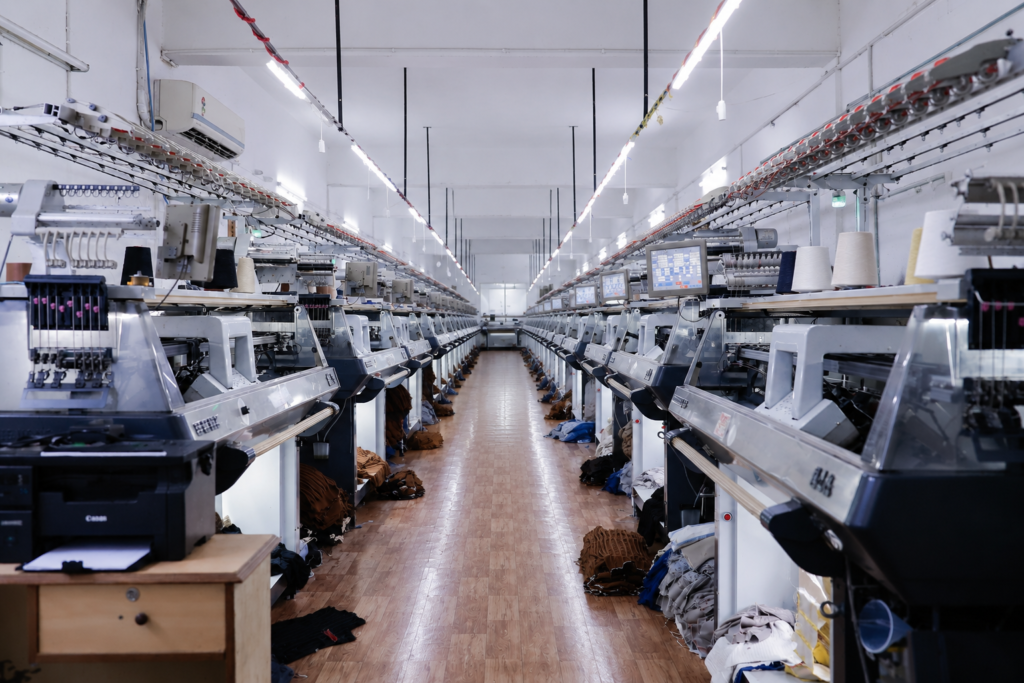
A view inside a high-end apparel manufacturing partner facility utilizing advanced computerized flat knit machinery.
How to Start a Clothing Brand with a Manufacturing Partner: Production Models, Sourcing & Quality Standards?
Starting a clothing brand is one of the highest-potential ventures in modern apparel e-commerce. While creative designs set the brand vision, scaling a sustainable fashion business requires turning concepts into retail-ready apparel through a dependable manufacturing partnership.
Working with an established garment manufacturer eliminates the complexity of raw material sourcing, pattern cutting, and manual assembly. For startup founders, D2C apparel labels, and private label retailers, choosing the right production partner ensures consistent sizing, fabric durability, and protected profit margins across both standard cut-and-sew apparel and luxury flat knit garments.
What Is an Apparel Manufacturing Partner?
An apparel manufacturing partner is an industrial production facility that manages the entire lifecycle of garment construction from yarn sourcing and pattern development to final cutting, stitching, branding, and packaging.
Unlike basic print-on-demand vendors, full-scale garment manufacturers deliver custom silhouettes, specialized fabric treatments (e.g., bio-wash, mercerization, pre-shrinking), specialized flat knit panel linking, high-durability stitching, and custom private labelling.
Step-by-Step Guide to Launching with a Manufacturer
- Build Technical Tech Packs:
Prepare digital blueprints containing 2D flat sketches, detailed size measurement charts (grading), Bill of Materials, fabric specifications (GSM, weave, or flat knit yarn gauge like 12GG/14GG), and Pantone colour codes.
- Select the Sourcing Model:
Choose between custom cut-and-sew production (OEM/FPP) for unique brand fits, specialized flat knit technology for luxury textured apparel, or white-label base customization (ODM) for fast turnarounds.
- Audit and Screen Manufacturers:
Evaluate production facilities based on Minimum Order Quantities (MOQs), machinery capabilities, yarn sourcing networks, and ethical compliance certifications.
- Develop and Approve Samples:
Test fit and drape with a Proto Sample, followed by a final Pre-Production (PP) sample utilizing bulk-approved yarn/fabric, trims, labels, and exact colours.
- Set Quality Control & Production Timelines:
Establish Acceptable Quality Limit inspection standards and firm production milestones (cutting/knitting, sewing/linking, finishing, packing).
- Final Packaging & Dispatch:
Complete bulk light-table inspection, custom woven label placement, barcoding, eco-friendly polybag packing, and shipment logistics.
Core Capabilities of a Tier-1 Manufacturer
- Mill-Direct Sourcing: Access to combed cotton, French terry, fleece, and fine-gauge yarns for flat knits.
- Precision CAD Pattern Grading: Computerized pattern development to guarantee consistent fit across size curves.
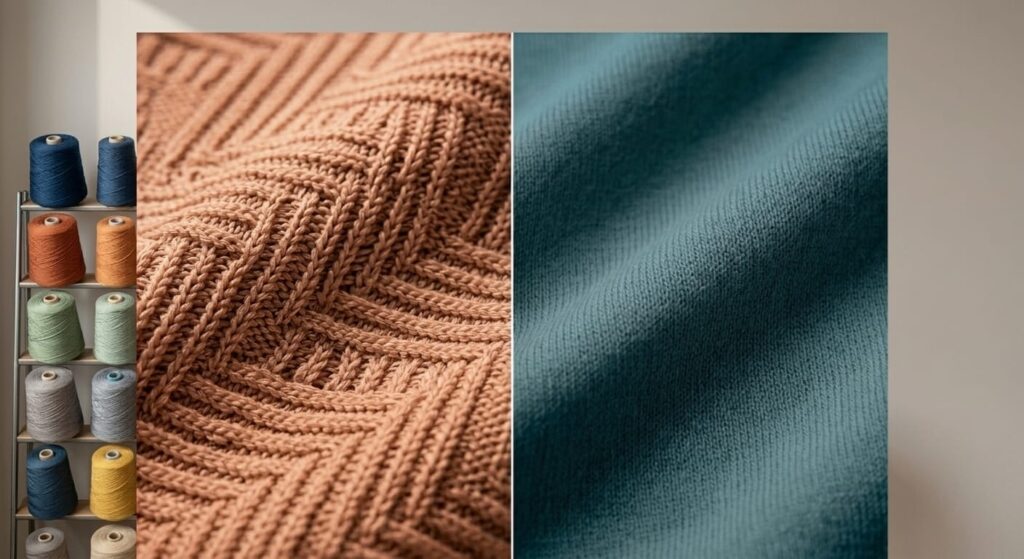
- Specialized Branding & Knitting: In-house high-density screen printing, DTG, 3D puff print, custom embroidery, and fully-fashioned flat knit jacquard textures.
- Flexible Startup MOQs: Accessible production minimums (50–100 pieces per style/colour) to lower inventory liability.
- Strict Inline QA: Multi-point quality audits covering fabric shrinkage, seam strength, and finishing tolerances.
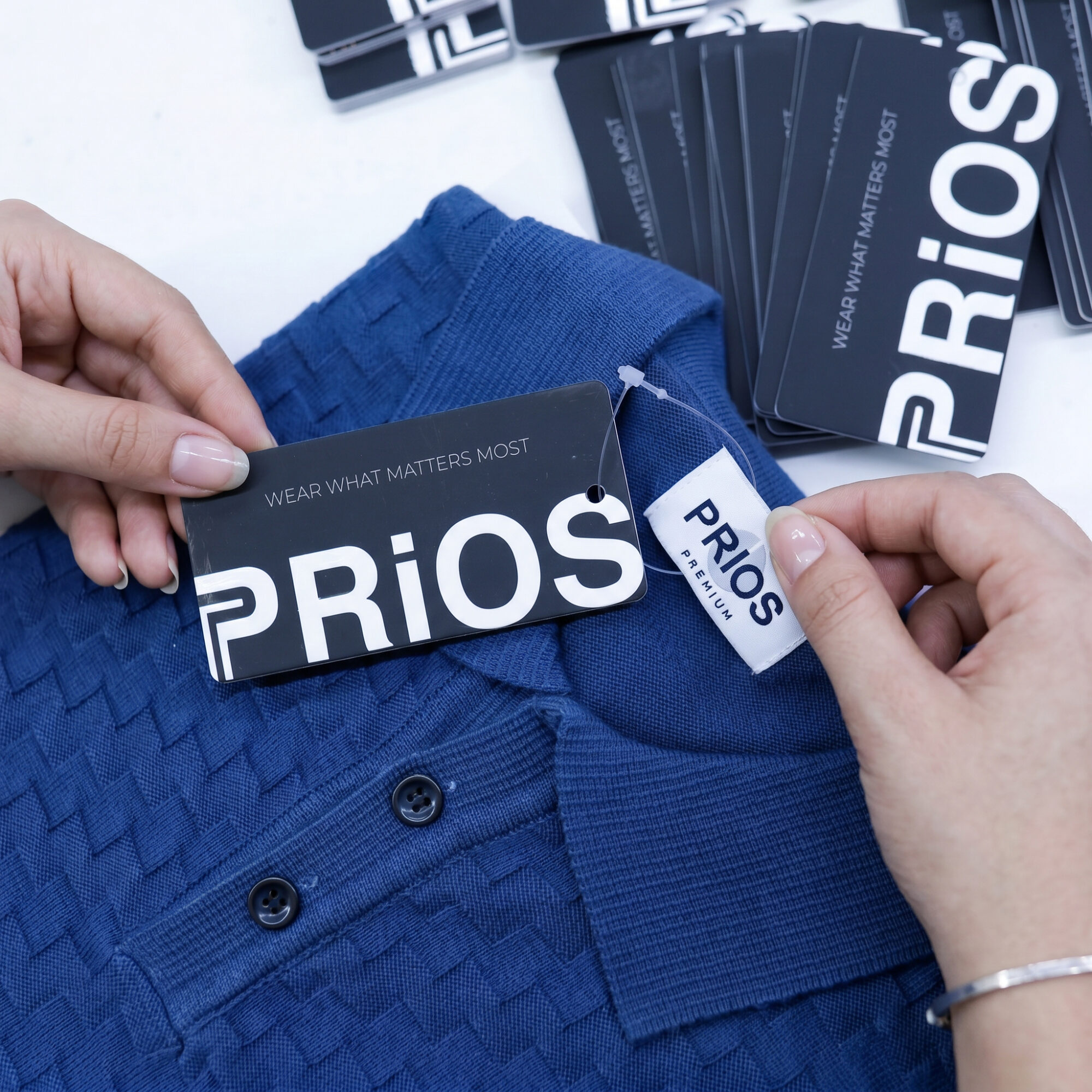
- Custom Retail Packaging: Branded neck labels, wash care tags, hangtags, and custom mailer bags.
Apparel Production Models Compared
| Feature | customization | White Label | Flat Knit Manufacturing | Full Package Production |
| Design Freedom | 100% Fully Custom | Pre-set Factory Blanks | Engineered Panel Design | Fully Custom from scratch |
| Fabric/Yarn | Factory Stock Fabrics | Factory Stock Fabrics | High-Grade Yarn Cones | Complete Factory Sourcing |
| Turnaround Time | 6-10 Weeks | 6-8 Weeks | 4-8 Weeks | 4-8 Weeks |
| Minimum Order | Moderate to High 700-800pcs | Moderate to High 700-800 pcs | Flexible | Flexible Based on Factory |
| Best For | Street wear & Custom Fits | Fast-Launch Trend Startups | Luxury Flat Knit T-shirts & polos | D2C Startups & Scaling Labels |
Strategic Advantages of Dedicated Production
- Maximized Margins: Direct-from-factory pricing cuts middleman markups.
- Industrial Construction: High-tensile over lock stitching and precision loop-to-loop flat knit linking ensure garment longevity.
- Repeatable Consistency: Automated cutting tables and computerized knitting machines eliminate batch-to-batch sizing drift.
- Scalable Infrastructure: Seamless expansion from 100-piece pilot runs to multi-thousand-piece bulk orders.
High-Demand Apparel Categories to Launch
- Heavyweight Oversized Street wear T-Shirts (220–280 GSM)
- Premium Flat Knit T-Shirts & Textured Johnny Collar Polos
- Luxury French Terry Hoodies, Crewnecks & Joggers
- Activewear, Gym Apparel & Compression Wear
- High-End Ribbed Knitwear, Tops & Co-Ord Sets
- Minimalist Everyday Basics & Loungewear
Frequently Asked Questions
- What factors determine the initial budget to start a clothing brand?
The budget varies based on your chosen production model, required Minimum Order Quantities (MOQs), fabric selection (standard cotton vs. luxury flat knit), and the complexity of custom trims or branding.
- What is the difference between regular cut-and-sew and flat knit T-shirts?
Regular T-shirts are cut from continuous fabric rolls, while flat knit T-shirts are knitted panel-by-panel directly from yarn—delivering richer texture, zero fabric waste, and a luxury drape.
- What is MOQ, and can I split it across multiple sizes?
MOQ (Minimum Order Quantity) is the lowest unit count a factory requires per design. Most manufacturers allow you to distribute this quantity across standard sizes (S, M, L, XL, XXL).
- Why is a Tech Pack essential before contacting a manufacturer?
A Tech Pack is the technical blueprint containing exact measurements, stitch details, and fabric specs. It eliminates guesswork and prevents costly sampling mistakes.
- How long does sampling and bulk manufacturing take?
Sampling takes 1 to 2 weeks, while full bulk production generally takes 4 to 8 weeks based on fabric sourcing and order volume.
- What is the difference between a Proto Sample and a Pre-Production (PP) Sample?
A Proto Sample tests general fit using available test fabric, while a PP Sample is the final prototype made with your exact production fabric, colors, trims, and branding.
- Do manufacturers handle custom branding and packaging?
Yes. Full-package partners provide end-to-end branding, including custom woven neck labels, care tags, hangtags, barcodes, and branded poly-mailers.
- Conclusion
Launching a successful apparel brand requires combining distinct creative branding with an experienced manufacturing partner. Standardizing tech packs, validating pre-production samples, and choosing a factory capable of delivering both everyday cut-and-sew basics and premium flat knit collections lays the foundation for high retention and scalable brand growth.
Looking for a Knitwear Development Partner?
Early technical knitwear conversation can save time, costs and unnecessary revisions.
Contact us to discuss your project and develop the most suitable solution together.
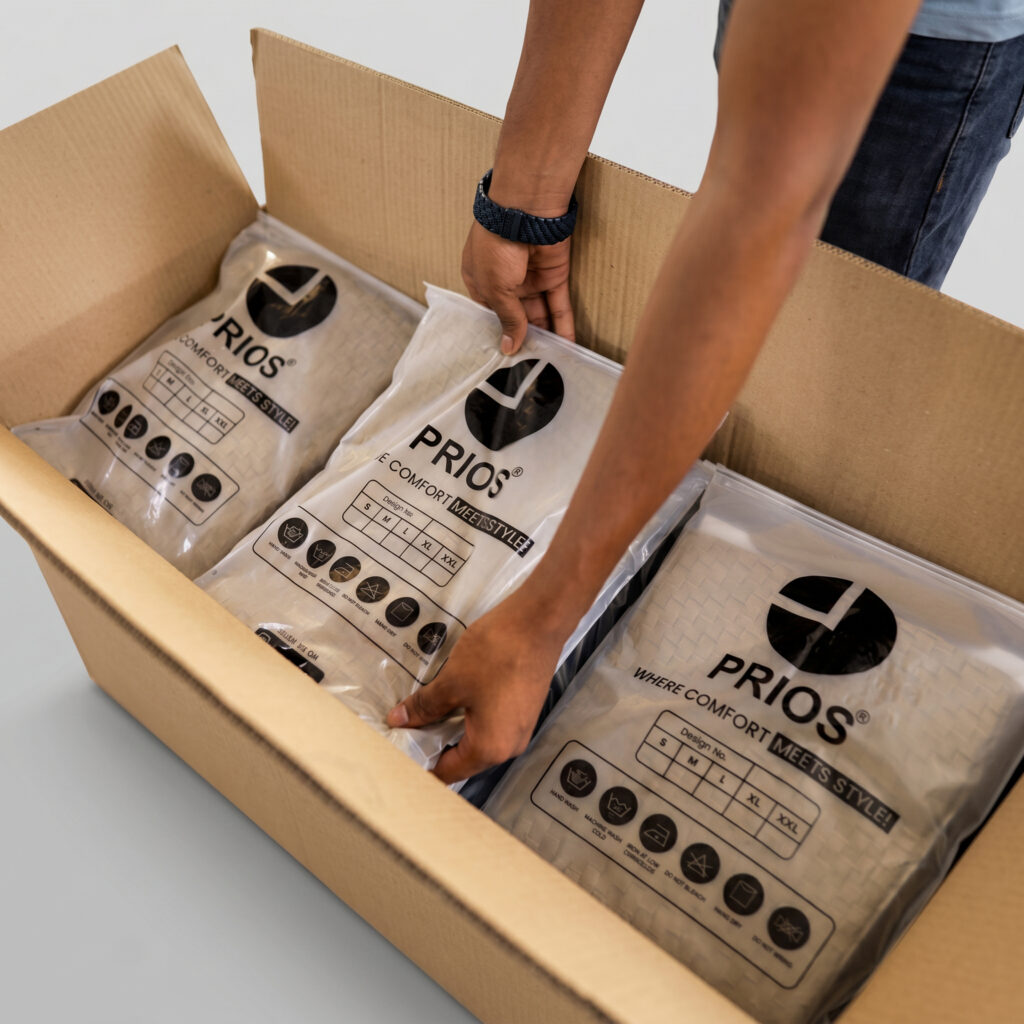
- Custom-branded apparel packaging and fulfillment.
Looking For Premium Flat Knit T-Shirt Manufacturing?
Partner with Priyanka Enterprise for export-quality knitwear manufacturing solutions.
Request A Quote